Tropical: Handmade Calligraphy Reimagined for Modern Design
Imagine opening a hand-lettered invitation that feels both timeless and unmistakably fresh—where elegant flourishes meet clean, confident lines. That’s the quiet magic of Tropical: a unique handmade calligraphic font that bridges centuries of tradition with today’s visual language. It’s not just another script font. Tropical is crafted by hand, refined digitally, and designed to breathe life into projects where authenticity and artistry matter.
What Makes Tropical Different—Beyond “Just Another Script”
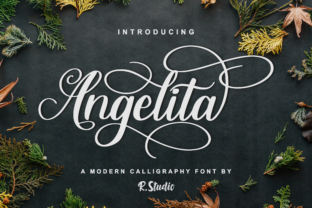
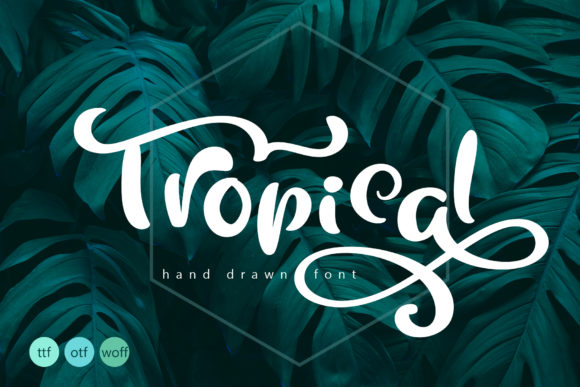
Most calligraphic fonts fall into one of two camps: historically precise reproductions or overly stylized, decorative alternatives. Tropical lives comfortably—and intentionally—in the middle. Its letters are drawn with real brush and nib, then carefully digitized to preserve organic texture, subtle variation in stroke weight, and natural rhythm. Unlike rigid vector-based scripts, Tropical retains the gentle imperfections that signal human touch: a slight taper on an exit stroke, a soft swell in a curve, a hint of ink bleed at key junctions.
That handmade foundation gives Tropical its warmth—but it’s the contemporary editing that makes it versatile. Kerning is thoughtfully adjusted for readability at smaller sizes. Letterforms avoid excessive ornamentation, so they scale gracefully from social media avatars to large-format wall art. And while many calligraphy fonts struggle with spacing in all-caps or tight line-height settings, Tropical was tested across real-world layouts—from Shopify product tags to wedding stationery—to ensure consistency without compromise.
Who Benefits Most From Using Tropical?
Tropical isn’t built for every use case—and that’s part of its strength. It shines brightest when intentionality matters. Here’s who finds it especially valuable:
- Creative professionals—designers building brand identities for lifestyle brands, wellness studios, or artisanal food producers often reach for Tropical when they need elegance without formality.
- Small business owners—a bakery owner adding custom labels to mason jars, a ceramicist naming each collection, or a florist designing seasonal email headers all report that Tropical helps them stand out without sounding “corporate.”
- Wedding and event creators—Tropical balances romance and modernity beautifully. It works equally well on minimalist vellum save-the-dates and bold acrylic signage—no redesign needed.
- Content creators—bloggers, podcasters, and educators using Canva or Adobe Express appreciate how Tropical adds personality to quote graphics or course thumbnails without overwhelming the message.
Real-World Applications You Can Try Today
You don’t need a design degree to get meaningful results with Tropical. Consider these everyday uses:
- Digital branding kits: Pair Tropical with a neutral sans-serif (like Inter or Poppins) for logo lockups where the script handles the name and the sans handles taglines or descriptors. This combo reads as intentional—not trendy.
- Email subject lines: A single word in Tropical—“You’re invited,” “New arrivals,” “Just launched”—can lift open rates by adding tactile warmth to an otherwise flat medium.
- Print-on-demand products: Because Tropical includes OpenType features like contextual alternates and swashes, you can easily swap in a more ornate ‘t’ or ‘g’ for t-shirts, tote bags, or greeting cards—without manual redrawing.
- Social bios and highlights: On Instagram or LinkedIn, a short phrase set in Tropical (via image overlay tools) conveys craft and care far more effectively than generic fonts.
Strengths Worth Highlighting—And What to Keep in Mind
Tropical’s greatest strength is its authentic duality: it feels personal yet polished, expressive yet legible. Users consistently note how well it performs in mixed-font pairings—especially with geometric sans-serifs or warm, low-contrast serifs. Its lowercase ‘a’, ‘g’, and ‘y’ include graceful, open shapes that improve word recognition at glance, even in fast-scrolling feeds.
That said, Tropical isn’t meant for dense body text or technical documentation. Its charm lies in emphasis—not exposition. If your project requires extended reading (e.g., a long-form brochure or legal disclaimer), reserve Tropical for headings, pull quotes, or section dividers, and choose a highly legible companion font for paragraphs.
Another practical note: Tropical is a desktop font—licensed for installation and use in design apps like Illustrator, Photoshop, Figma (via plugins), and Affinity Suite. It’s not web-hosted by default, so for live websites, you’ll need to self-host the files or convert to webfont formats (WOFF2 recommended) with proper licensing. Many users find this step worthwhile for branded landing pages or portfolio sites where first impressions hinge on tone and texture.
How to Know If Tropical Fits Your Project
Ask yourself three questions before downloading or licensing:
- Is this about voice, not just visuals? If your goal is to signal care, craftsmanship, or calm confidence—not urgency, authority, or high-tech precision—Tropical aligns naturally.
- Will it be seen up close—or at a distance? Tropical excels in contexts where viewers pause: packaging, invitations, art prints, or presentation slides. It’s less effective for highway signage or app interface buttons.
- Do you have control over typography? If you’re locked into a template system with limited font options (e.g., certain email platforms or CMS themes), verify compatibility first. Tropical works best when you can adjust tracking, size, and color deliberately—not as a preset.
A Font That Grows With Your Work
What sets Tropical apart over time isn’t just how it looks—it’s how it adapts. Because it’s rooted in real handwriting, it invites reinterpretation. Designers layer it with watercolor textures, offset it for duotone effects, or animate individual letters with staggered opacity fades. Business owners discover that Tropical scales emotionally: it feels intimate on a handwritten thank-you card and assured on a boutique storefront sign.
It also avoids the “overused script” fatigue common with free or bundled fonts. Since Tropical is independently released and not included in default font libraries, it carries subtle distinction—without demanding attention. It supports your message instead of competing with it.
Ultimately, Tropical isn’t about chasing aesthetics. It’s about choosing a tool that reflects how you want people to feel when they encounter your work: grounded, thoughtful, and quietly memorable. Whether you’re launching a new product, designing your first client pitch deck, or simply refreshing your personal website, Tropical offers a rare balance—tradition with clarity, artistry with utility, and elegance with ease.
If you value typography that tells a story before a single word is read, Tropical may be the thoughtful, handmade calligraphic font your next project has been waiting for.